Dog Anxiety And Excessive Drooling: When Stress Causes Hypersalivation In Nervous Dogs
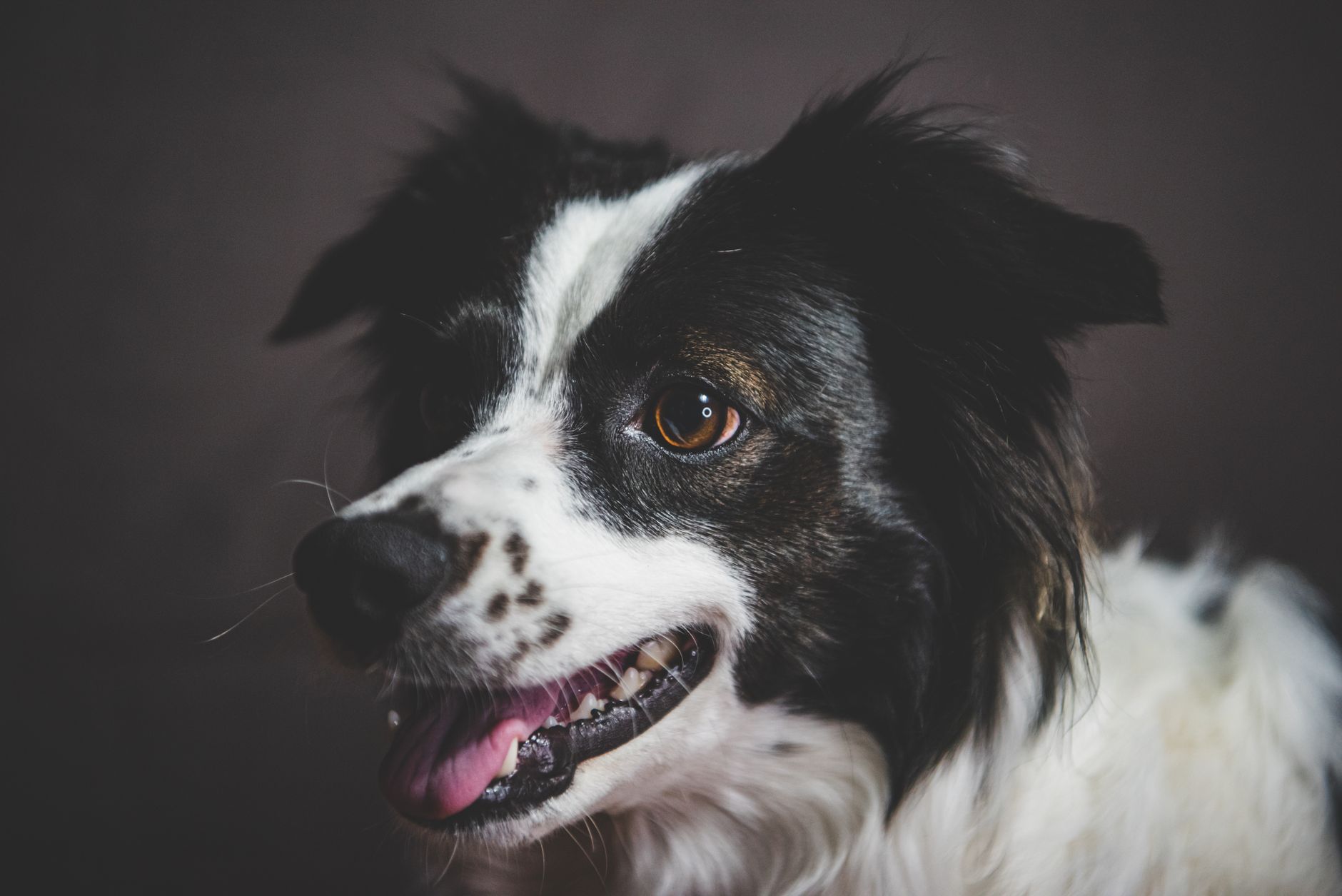
!A detailed close-up of a smiling Border Collie showing its playful, friendly nature. (Photo: Pexels)
Your dog leaves wet patches on the floor during thunderstorms or car rides. It's frustrating—and more common than you'd think. Excessive drooling is one of the most overlooked anxiety symptoms in dogs, yet it tells you something important about what your dog is experiencing.
When a nervous dog encounters a trigger, the sympathetic nervous system kicks into overdrive. This fight-or-flight response stimulates the salivary glands, causing sudden hypersalivation. Understanding this connection helps you address what's actually happening instead of just wiping up the mess. According to the Merck Veterinary Manual, acute stress activates a dog's sympathetic nervous system, which can increase salivary production as part of the physiological stress response. This guide breaks down the triggers, warning signs, and practical steps you can take to help your anxious dog feel better.
Why Stress Causes Excessive Drooling in Dogs
Excessive drooling in dogs is sudden, heavy saliva production triggered by anxiety or fear. When your dog perceives a threat, the brain signals the adrenal glands to release adrenaline and cortisol. These stress hormones prepare the body to face danger—blood rushes to the muscles, heart rate climbs, and the digestive system reacts to this chemical surge.
Here's what happens next: The autonomic nervous system controls digestion and salivation. During a panic response, it shifts blood flow away from the digestive tract and toward the muscles. This sudden shift can cause nausea, which triggers the salivary glands to produce excess moisture. Your dog's body uses saliva to coat the esophagus and protect the teeth from stomach acid during a vomiting episode. Even if your dog never actually vomits, the nausea alone causes noticeable drooling.
Identifying Anxiety Symptoms and Stress Signals
Excessive drooling rarely happens alone. An anxious dog displays a cluster of physical and behavioral stress signals, and recognizing these accompanying signs confirms that anxiety drives the hypersalivation rather than a medical issue.
The American Society for the Prevention of Cruelty to Animals (ASPCA) identifies lip licking, yawning, and panting as primary canine stress signals. A dog exhibiting these behaviors alongside drooling is clearly communicating emotional discomfort. You can identify anxiety-driven drooling by watching for these specific physical changes.
| Stress Signal | Physical Appearance | Meaning | |---|---|---| | Excessive drooling | Thick saliva dripping from jowls | Nausea or acute fear response | | Lip licking | Tongue flicking out repeatedly | Discomfort or appeasement | | Panting | Heavy, rapid breathing | Overheating or panic | | Pinned ears | Ears flat against the head | Fear or submission | | Whale eye | Whites of eyes visible | Guarding or anxiety | | Trembling | Muscles shaking involuntarily | High stress response |
When you notice sudden drooling, check your dog's body language. A dog pacing in circles or hiding behind your legs confirms fear is present. A tucked tail and rigid posture provide further confirmation of anxiety.
Common Triggers for Canine Hypersalivation
Specific environments and events predictably trigger anxiety symptoms in dogs. Identifying these triggers lets you manage your dog's environment and prevent the stress response before it starts.
- Car rides — Motion sickness affects many dogs, particularly puppies, because their ear structures haven't fully developed yet. The nausea from motion sickness directly causes excessive drooling.
- Loud noises — Thunderstorms and fireworks overwhelm a dog's sensitive hearing. The sudden booming sounds trigger a panic response that leads to immediate hypersalivation.
- Separation — Leaving a dog alone in an unfamiliar room or crate can trigger separation anxiety. The stress of isolation causes drooling, destructive chewing, and howling.
- Strangers or new animals — Social anxiety makes some dogs drool when meeting new people or visiting the dog park. The uncertainty spikes their cortisol levels.
- Vet visits — The unfamiliar smells, bright lights, and previous negative associations make vet clinics a major stress trigger for many dogs.
How to Help a Drooling, Anxious Dog
Helping an anxious dog requires both immediate interventions and long-term behavioral changes. You can reduce anxiety symptoms by creating a safe environment and using targeted calming techniques.
Create a safe space. Designate a quiet, dark room or covered crate where your dog can retreat during stressful events. Stock it with familiar blankets and toys to make it genuinely inviting.
Use desensitization training. Play recordings of thunder or fireworks at very low volume while giving your dog high-value treats. Gradually increase the volume over several weeks as your dog builds a positive association with the noise.
Try pressure wraps. Products like the ThunderShirt apply constant, gentle pressure to a dog's torso. This pressure mimics swaddling and can calm an overactive nervous system during triggering events.
Consider natural calming aids. Some owners explore natural supplements to help their dogs manage stress. A CBD for dog anxiety guide outlines how cannabidiol interacts with a dog's endocannabinoid system to promote relaxation. Brands like Lazarus Naturals and Native Pet offer CBD products formulated for pets. The standard starting dosage for CBD oil is 0.2 milligrams per pound of body weight, given twice daily. Always consult your veterinarian before starting CBD, especially if your dog takes other medications. The ElleVet CBD review highlights a clinical study where ElleVet's hemp oil showed significant results in reducing stress in anxious dogs.
Medical vs. Behavioral Drooling: When to Call the Vet
The short answer is: knowing the difference between anxiety-induced drooling and drooling caused by a medical emergency can save your dog's life. While stress signals come and go with triggers, medical drooling persists and often accompanies severe symptoms.
According to the Cornell Richard P. Riney Canine Health Center, persistent drooling that occurs without an obvious stress trigger may indicate dental disease, oral tumors, or toxin ingestion. Schedule a veterinary exam if the drooling continues for more than a few hours after the stressor disappears.
Check your dog's mouth for foreign objects like splinters or trapped pieces of wood. Inspect the gums for redness, swelling, or bleeding. Drooling combined with lethargy, loss of appetite, or vomiting requires immediate veterinary attention—these combined symptoms suggest poisoning or a gastrointestinal blockage. Dogs with short snouts, like Boxers and Bulldogs, naturally drool more than other breeds, so knowing your dog's baseline helps you spot abnormal drooling patterns. Ruling out medical conditions first ensures you treat the actual problem instead of assuming the drooling stems from anxiety.
Building a Long-Term Calming Routine
Managing anxiety symptoms requires consistent daily structure. A predictable environment lowers a dog's baseline stress levels, making them less reactive to sudden triggers.
- Consistent feeding schedules — Feed your dog at the same times every day. Predictability reduces general anxiety.
- Daily physical exercise — A tired dog handles stress better. Aim for at least 30 minutes of brisk walking or active play twice daily.
- Mental stimulation — Puzzle toys and training sessions tire a dog's brain. Mental fatigue reduces reactivity.
- Calm household energy — Dogs mirror their owners' emotions. Speak in a calm, low voice and avoid sudden movements during stressful events.
- Routine vet checkups — Pain causes anxiety. Annual exams catch underlying painful conditions like arthritis or dental disease early.
Frequently Asked Questions
Why is my dog suddenly drooling so much?
Sudden excessive drooling usually stems from anxiety, motion sickness, or ingestion of a bitter or toxic substance. Fear triggers a dog's fight-or-flight response, which can cause nausea and hypersalivation. If the drooling persists beyond the stressful event, inspect your dog's mouth for injuries or foreign objects.
How can I tell if my dog is drooling from anxiety?
Anxiety-induced drooling accompanies other stress signals. Look for panting, pacing, lip licking, yawning, pinned ears, and a tucked tail. If these behaviors appear simultaneously with the drooling and stop once the stressor disappears, anxiety is likely the cause.
What home remedies help a drooling anxious dog?
Create a quiet, dark safe space for your dog during triggers. Pressure wraps like a ThunderShirt provide constant physical comfort. Some owners use natural supplements—you can find a CBD for dog anxiety guide detailing how hemp extract may lower stress levels in reactive dogs.
When should I take my drooling dog to the vet?
Take your dog to the vet if the drooling lasts more than a few hours without an obvious trigger. Seek emergency care if the drooling accompanies vomiting, diarrhea, lethargy, or loss of appetite. These combined symptoms may indicate poisoning, a gastrointestinal blockage, or severe dental disease.
Can CBD help with dog anxiety and drooling?
CBD interacts with a dog's endocannabinoid system, which helps regulate stress responses. Some published reviews and owner reports suggest CBD oil may reduce anxiety symptoms like pacing and drooling. The standard starting dosage is 0.2 milligrams per pound of body weight given twice daily. Always consult your veterinarian before starting CBD.
Finding the root cause of your dog's excessive drooling transforms them from a nervous wreck into a calm companion. Track their stress signals, manage their environment, and build a predictable daily routine. Explore the resources at Best CBD for Pets to discover natural calming solutions that support your dog's emotional well-being.
!A striking close-up of a dog's face, capturing its gentle and soulful expression. (Photo: Pexels)
Considering CBD for your anxious dog?
Our partner site reviews the 21 top CBD brands for dogs — independently tested, vet-informed, ranked by real pet parents.
See CBD reviews at bestcbdforpets.com